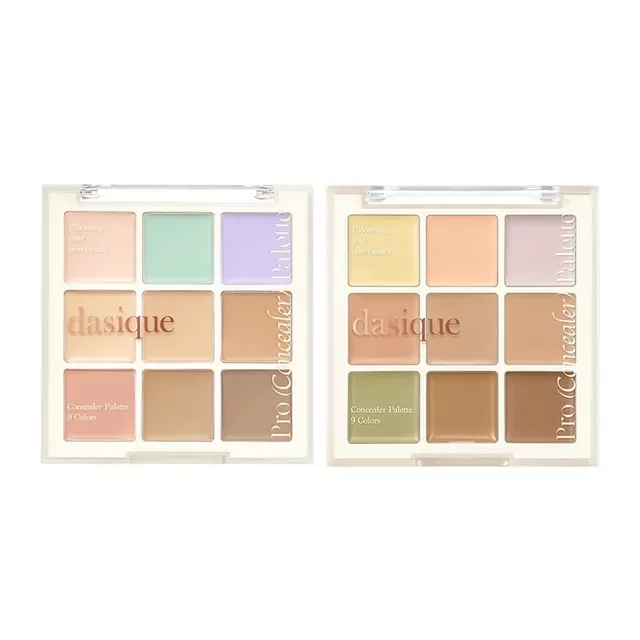
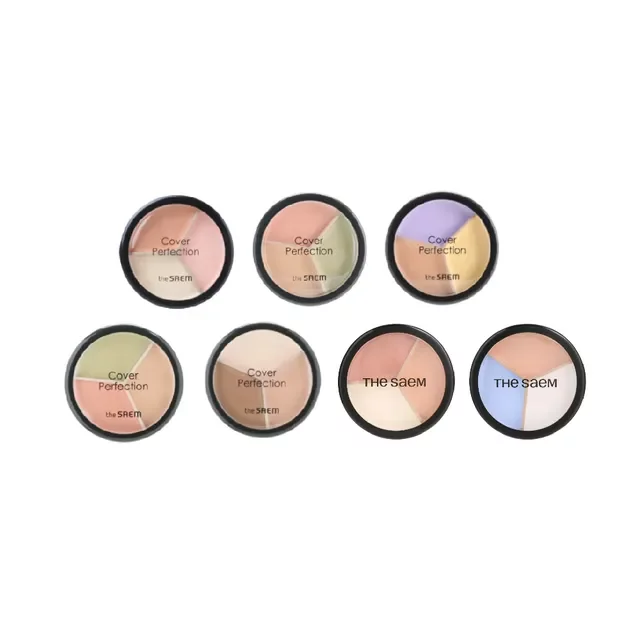
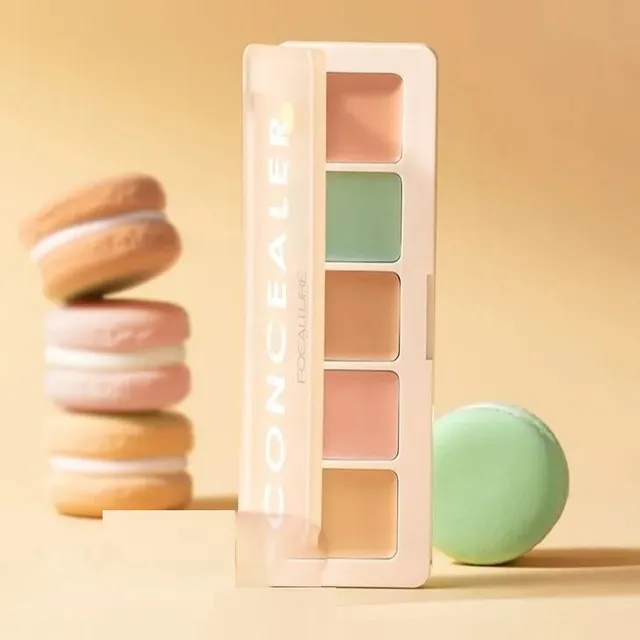
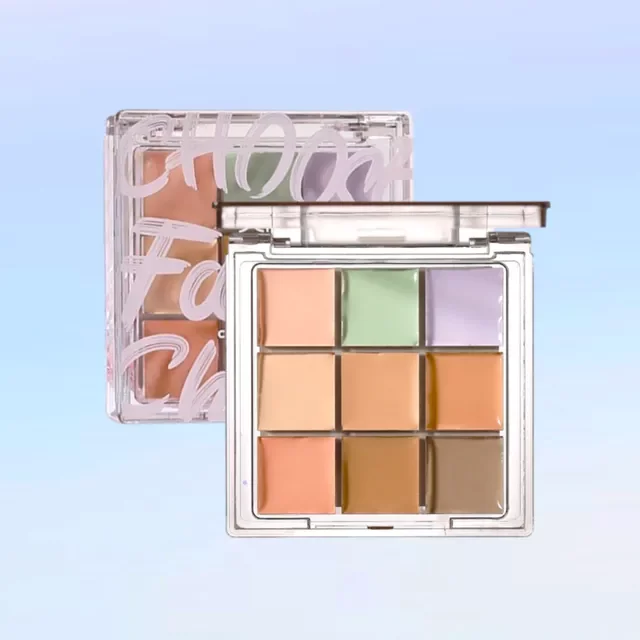
Ever applied foundation and concealer and thought to yourself: “Why can’t I get an even look?”. If that sounds like you, color correcting makeup should be your new best friend. Color correctors come in various shades like green, pink and yellow to help neutralize all types of stubborn discoloration. Choosing the right type for you from a wide range of shades might seem daunting, so read on for a handy guide on how to color correct effectively!
What’s the Difference Between Concealer and Color Corrector?
Concealers and color correctors both help hide blemishes and other skin concerns, but they work in different ways. Concealers that match your skin tone closely simply cover areas of concern. However, you may find that some concealers, especially sheer and light coverage formulas, are unable to fully conceal all your skin imperfections.
In contrast, color correctors utilize color theory to neutralize specific pigments of your skin concerns for more targeted coverage. Don’t worry; it’s simpler than it sounds. By referencing the color wheel, you can identify the appropriate color to use. Colors that are directly opposite each other on the color wheel will cancel each other out: green cancels out red, purple neutralizes yellow, and so on. Remember to apply in thin layers to ensure natural-looking results.

Should I Use Concealer or Color Corrector?
It depends – there’s no one-size-fits-all solution!
Sometimes just concealer is sufficient to cover up blemishes as desired.
Sometimes just color corrector is enough to effectively neutralize discolorations. If you only have small areas of discoloration, it’s possible to use a sheer layer of color corrector. That’s why it’s important to start with small amounts and layer as needed – less is more!
If the areas of concern are very pigmented – like an inflamed zit or heavy dark circles – it may help to layer concealer over color corrector for greater coverage with a more natural-looking finish.
Ultimately, everyone’s skin is different, so it’s important to experiment and find what works best for you.
What Color Corrector Should You Use?
Color Correcting Redness
Your skin concerns: Acne, rosacea, redness
Color corrector to use: Green
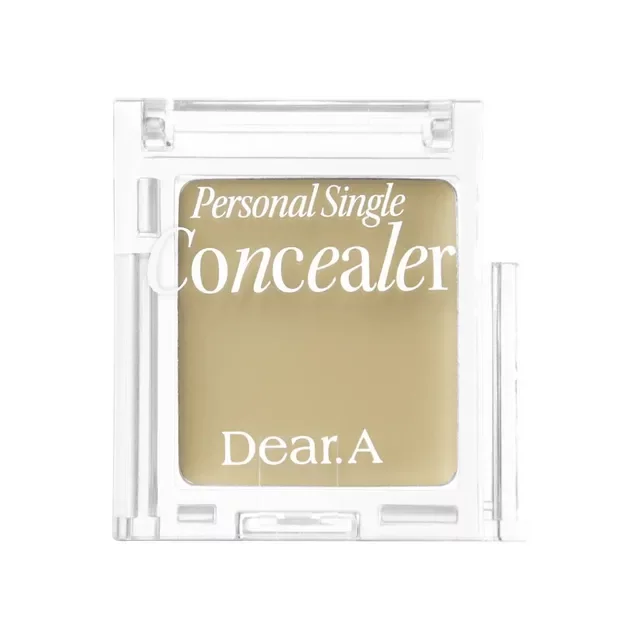
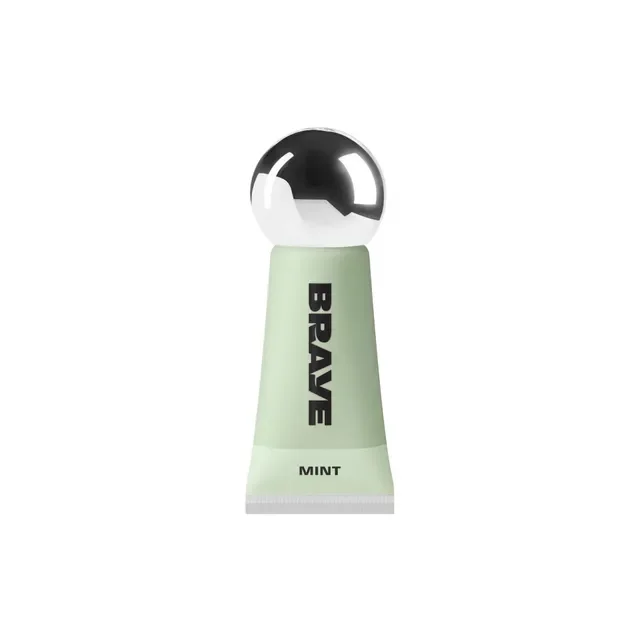
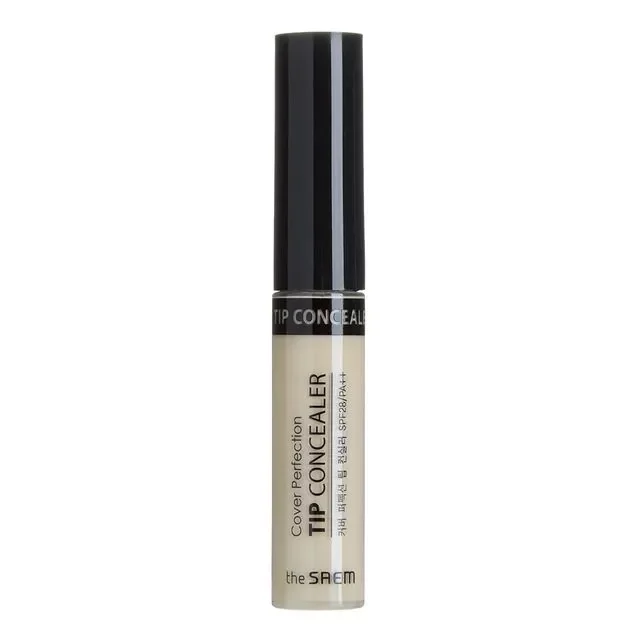
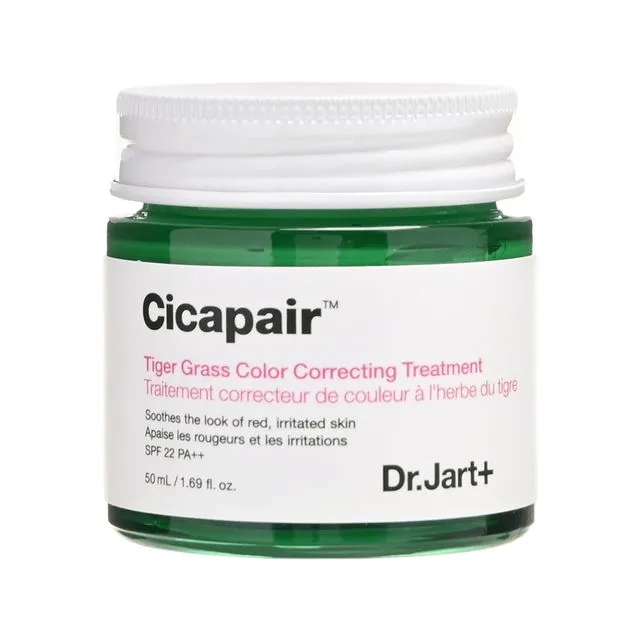
Use a small beauty brush or your fingers to apply the color corrector onto areas of concern and tap and blend gently for an even finish. Always apply in thin layers to avoid over-correcting or cakey finish. Try a green color corrector infused with soothing ingredients, like Dr. Jart+’s Cicapair Tiger Grass Color Correcting Treatment formulated with cica and ivy extracts to calm skin while camouflaging skin imperfections.

Color Correcting Yellowish Skin
Your skin concerns: Sallowness, yellowish skin
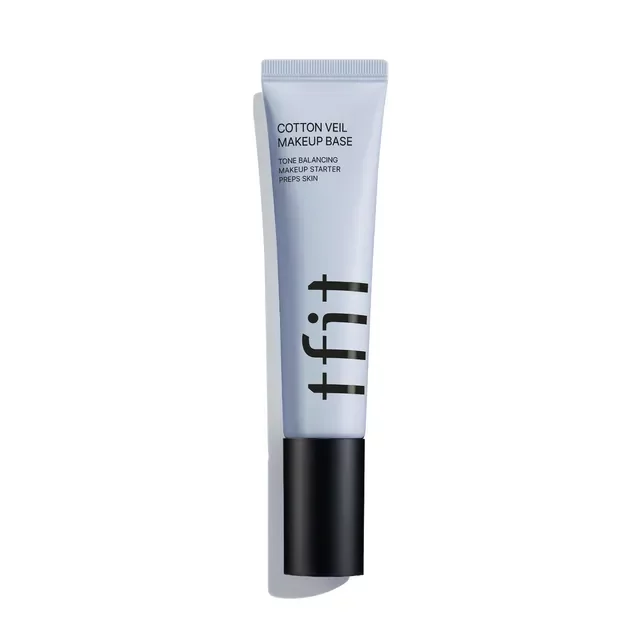
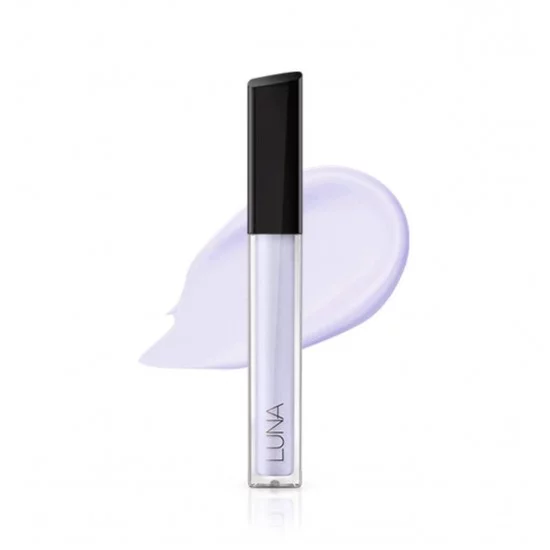
Color corrector to use: Purple
It may seem counterintuitive to apply purple color corrector on these skin concerns, but this shade can cancel out yellow tones to brighten skin and neutralize dullness and a sallow complexion. As purple has a cool undertone, the shade is likely to look natural if you have cool-tone skin. Again, always keep your layers sheer and minimal; you don’t want to end up looking blue!



Color Correcting Dark Circles
Your skin concerns: Dark circles, dark spots, bruises
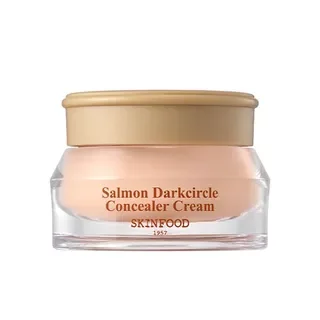
Color corrector to use: Yellow, peach, orange
To neutralize very pigmented, cool-tone skin discolorations like purple, blue, and green found in dark circles and bruises, opt for a color corrector in a warm shade such as yellow, peach, or orange. Take a close look at your dark circles under natural light. If they have a more purple undertone, try yellow color corrector. If they have green or bluish shadows, go for a peach or orange color corrector.
If you have a darker skin tone or more pronounced discoloration, lighter shades like yellow and peach may create an ashy appearance. In this case, choose deeper shades like orange and layer your go-to concealer on top for a warmer, more natural finish.

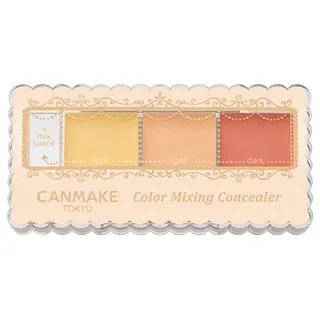
K-Beauty and C-Beauty Color Correctors
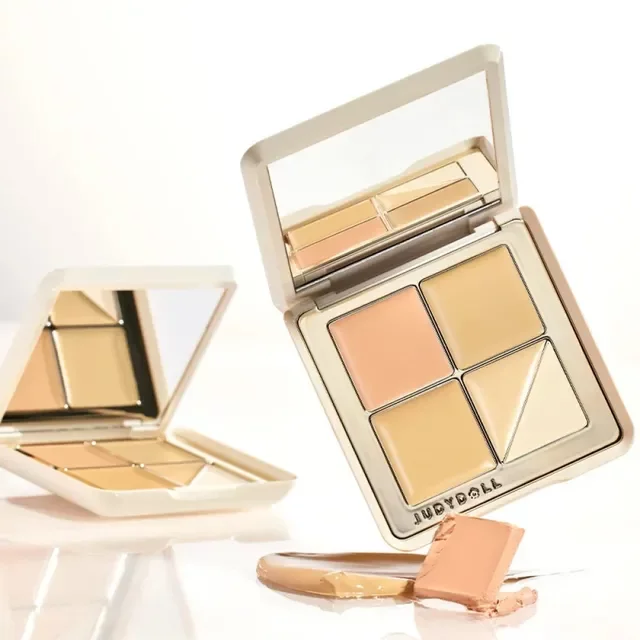
Now that you understand the basic principles of color correction, it’s time to put your skills to the test! Experiment with popular color correctors, tinted concealers, and color-correcting palettes to discover a makeup routine that works best for you. For an in-depth review, be sure to check out this article!