Spoiler alert: Fungal acne isn’t acne at all! Also known as malassezia or pityrosporum folliculitis, fungal acne is often mistaken for acne vulgaris (common acne) due to its generic name.
Unlike traditional acne, fungal acne doesn’t respond to typical acne medications like retinol and benzoyl peroxide. And this is exactly why it’s important to distinguish it from common acne, so you know which skin care products and lifestyle habits to use to fight the skin condition.
We’re here to give you a deep dive on how to identify fungal acne, along with product recos and tips to prevent the skin condition.
What is fungal acne?
Fungal acne occurs due to yeast overgrowth in the hair follicles. While malassezia yeast naturally exists on skin, an excess amount can lead to small, itchy bumps, typically appearing in clusters. They’re described as monomorphic, meaning the bumps look similar in size and shape.
What causes fungal acne?
Fungal acne thrives in warm and moist environments, typically appearing in sweat-prone areas of the body such as the forehead, neck, chest and upper back. It can also show up on the upper arms, shoulders and sides of the nose.
Certain people are more prone to fungal acne, including those with a compromised immune system and hyperhidrosis (excessive sweating). It can also occur when taking antibiotics and topical steroids. Antibiotics can reduce “good” bacteria in skin, while steroids suppress the immune system, making it harder for the body to curb yeast overgrowth.
In contrast, common acne is caused by various factors like excess oil production, genetics, bacteria and more. Acne may be inflammatory (e.g., hormonal acne) or non-inflammatory (e.g., blackheads and whiteheads). Blackheads and whiteheads emerge due to pores clogged with excess sebum, dead skin cells and dirt, while hormonal acne is caused by hormonal fluctuations during a woman’s menstrual cycle.
How to treat fungal acne?
It’s best to consult a medical professional who can diagnose fungal acne and prescribe effective antifungal treatments. There are also over-the-counter remedies available such as antifungal creams, but topical treatments alone may not suffice, as explained in above video by board-certified dermatologist Dr. Dray (@DrDrayzday on YouTube).
How to prevent fungal acne?
If you’ve seen a dermatologist and already treated your fungal acne, that’s great! But maintaining clear skin via daily hygiene and lifestyle practices is where the real work happens. Below are some tips and tricks that might come in handy!
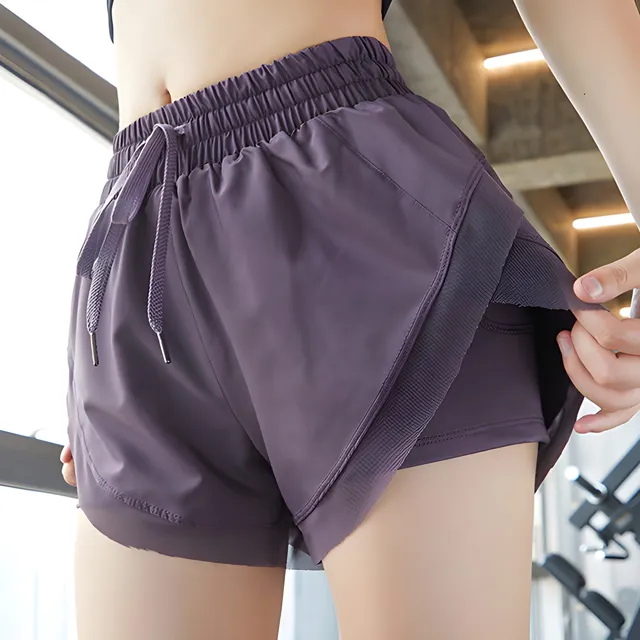
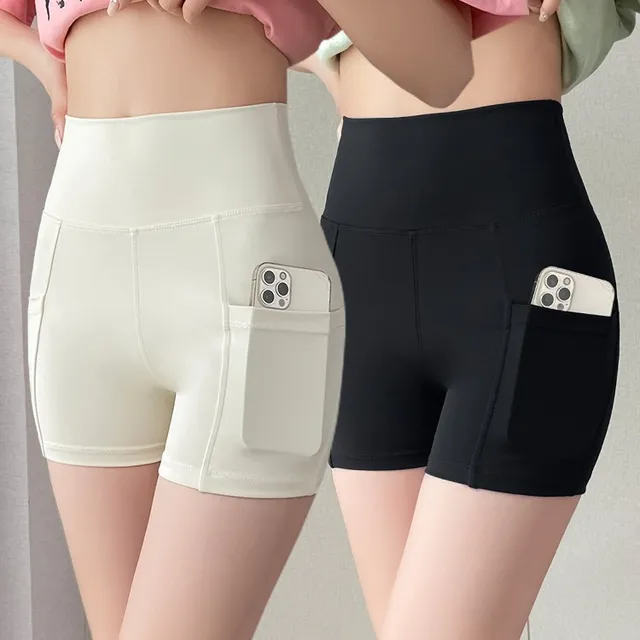
- Wear loose-fitting clothes
If you love outdoor activities or playing sports, opt for clothing made from lightweight and breathable fabrics instead of tight clothing. Choose moisture-wicking fabrics like polyester, nylon and spandex, especially if you live in a place with hot and humid climates.




2. Wipe away sweat after exercise
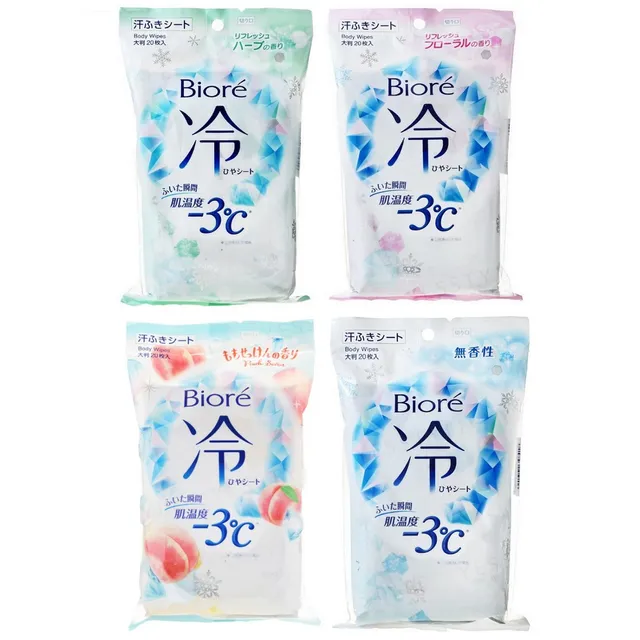
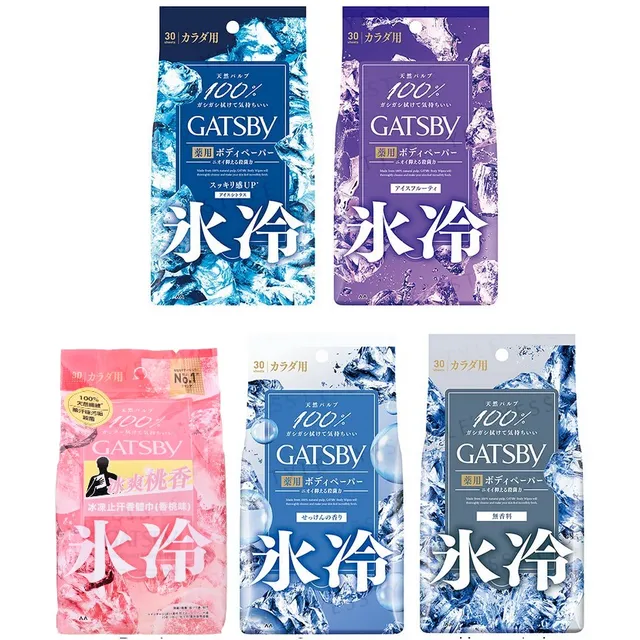
There’s no better feeling than working out and heading to a cute café with your bestie afterwards. Before leaving the gym, make sure to wipe away the sweat from your face and body. Consider using facial cleansing wipes like beplain’s Mung Bean pH-balanced Facial Cleansing Wipes that gently remove excess sebum, oil and dirt from skin without causing any tightness. If possible, change out of your workout clothes and shower right away to prevent fungal acne.
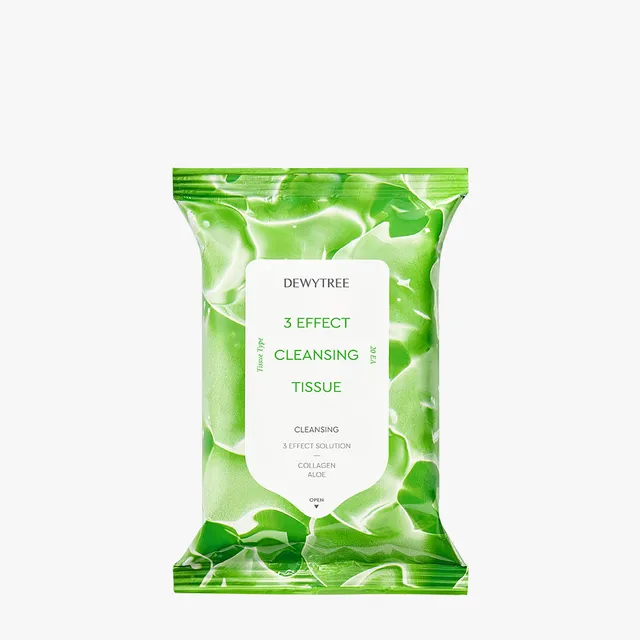
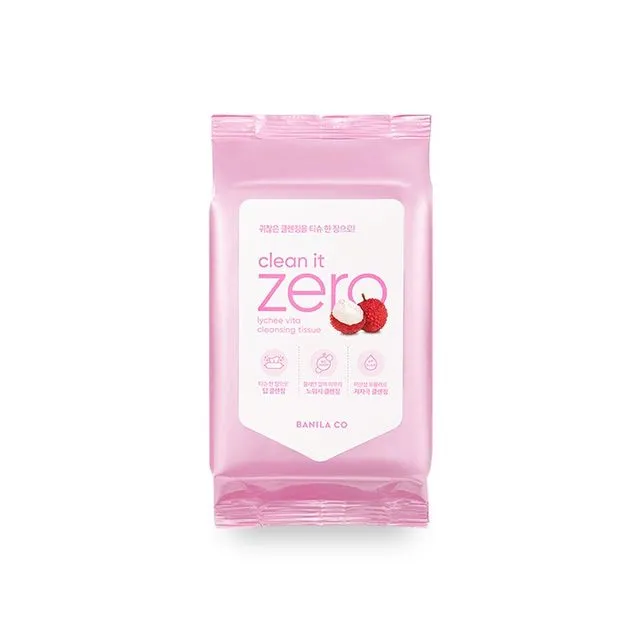
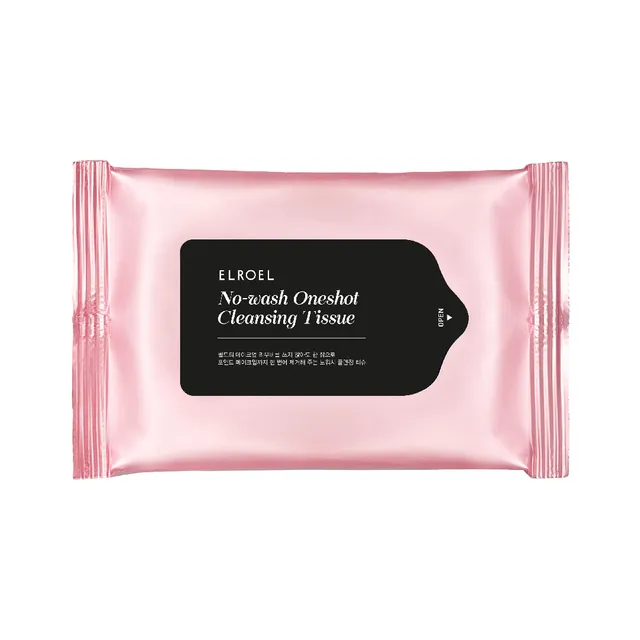
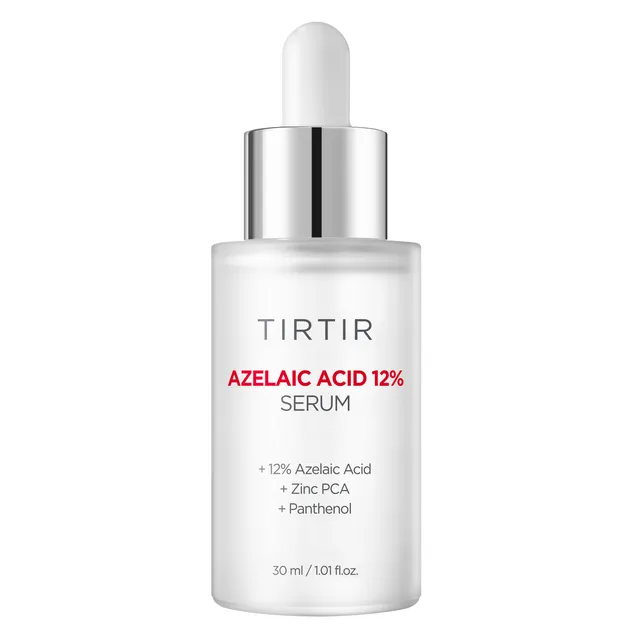
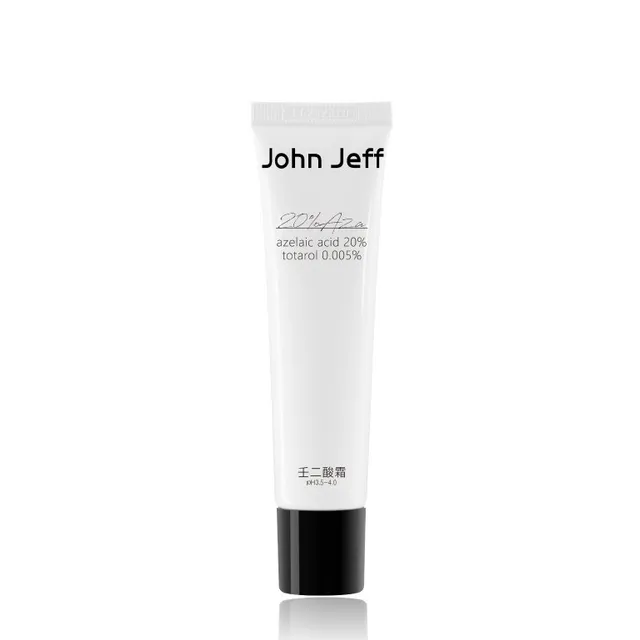
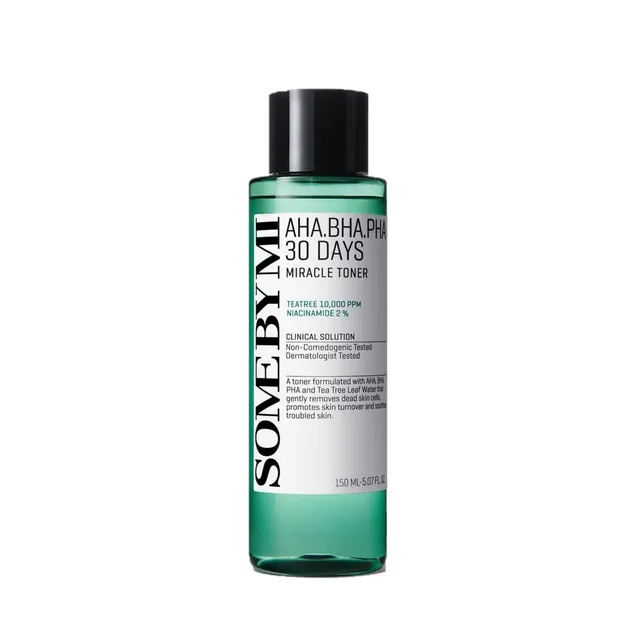
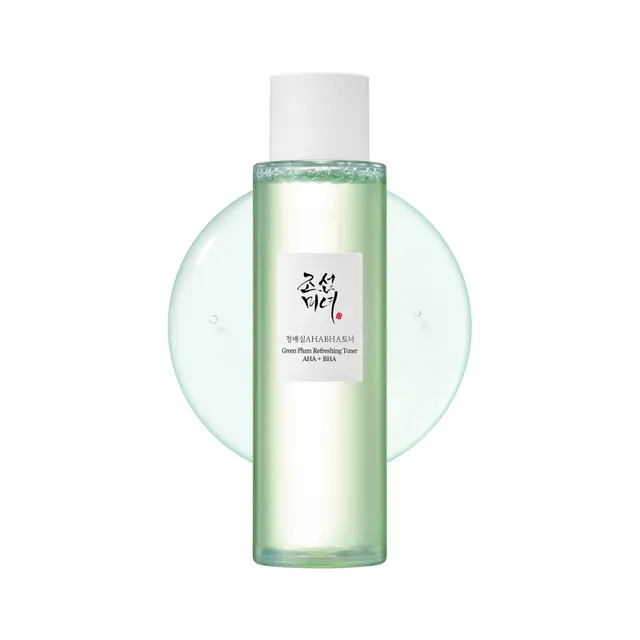
3. Incorporate salicylic acid and azelaic acid into your skin care routine
Salicylic acid and azelaic acid combat common and fungal acne. Both ingredients boast antibacterial and anti-inflammatory properties to clear breakouts, unclog pores and calm irritation. They also inhibit yeast growth, making the actives great for achieving clear and healthy skin.
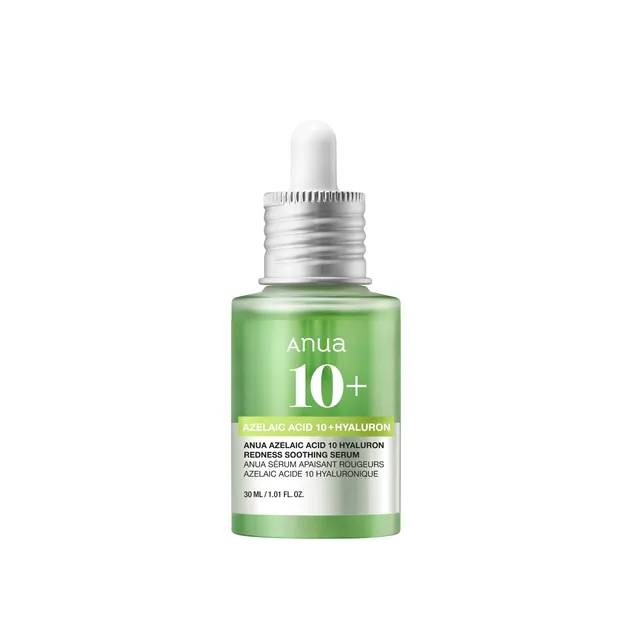

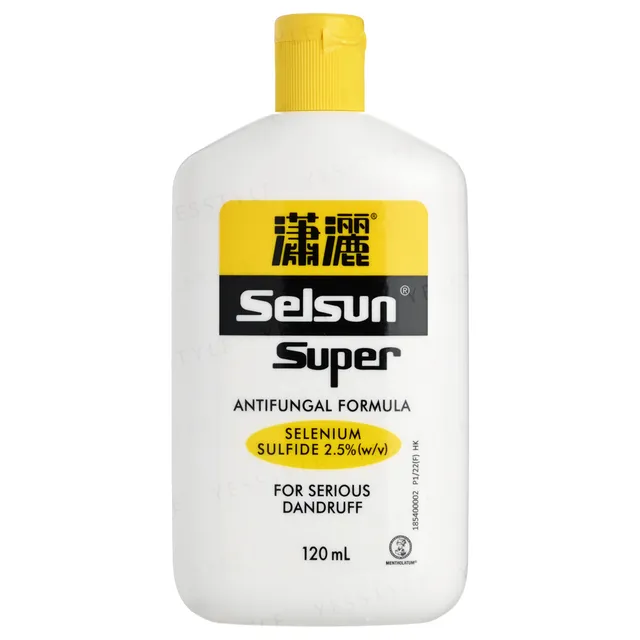
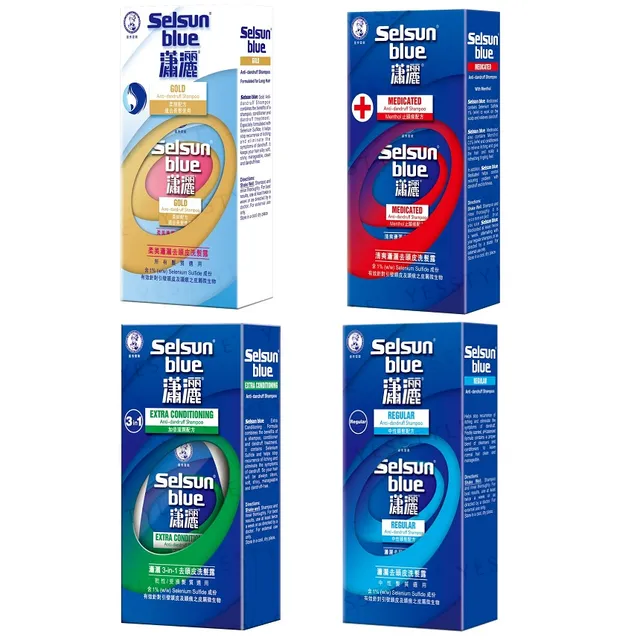
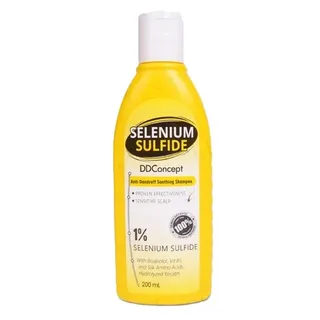
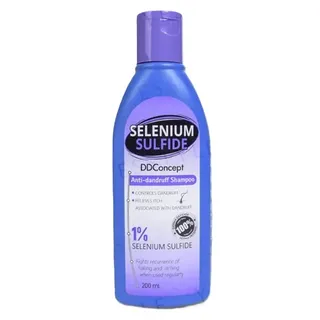
4. Consider anti-dandruff shampoos
Shampoo on your face? Seems unconventional but there is science behind this popular TikTok trick. Like fungal acne, dandruff results from an overgrowth of yeast leading to itchiness and flaking, so anti-dandruff shampoos with active ingredients like selenium sulfide may be helpful in clearing fungal acne (but not common acne). However, shampoos may also be drying or irritating for the face, as they are formulated for the scalp.
If you want to try out this method, always do a patch test beforehand. To use, apply the shampoo to affected areas and leave on for a few minutes before rinsing. It’s best to consult a dermatologist first, especially if you have eczema, sensitive skin or other skin conditions.
5. Avoid occlusive skin care products
Stay clear of skin care ingredients that may help create an environment where yeast can thrive. Think of it this way: you want to use skin care products that won’t trap heat and moisture, just like you’d choose workout clothes made from breathable fabrics that won’t trap your sweat.
Avoid heavy oils like castor and olive oils, as well fatty acids such as oleic, linoleic and stearic acids. Be cautious with certain esters as they can worsen fungal acne breakouts.
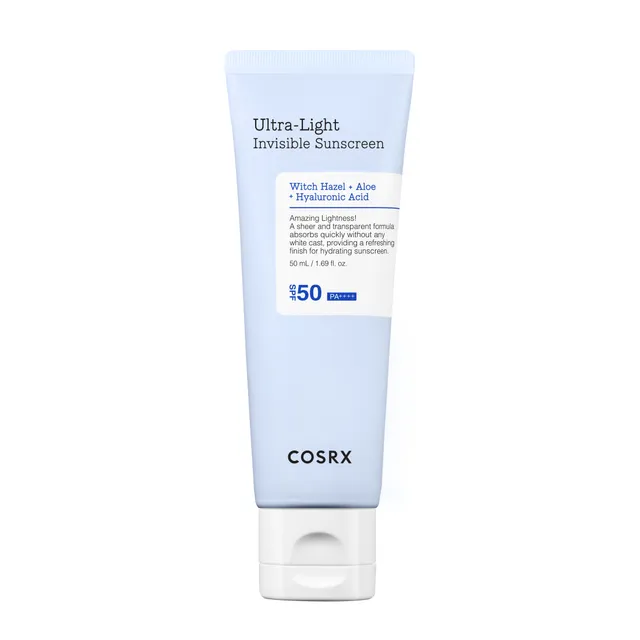
Additionally, pay attention to the consistency and textures of your products. If you have oily skin, stick with lightweight and fast-absorbing formulations such as oil-free moisturizers and sunscreens that promote effective sweat evaporation.