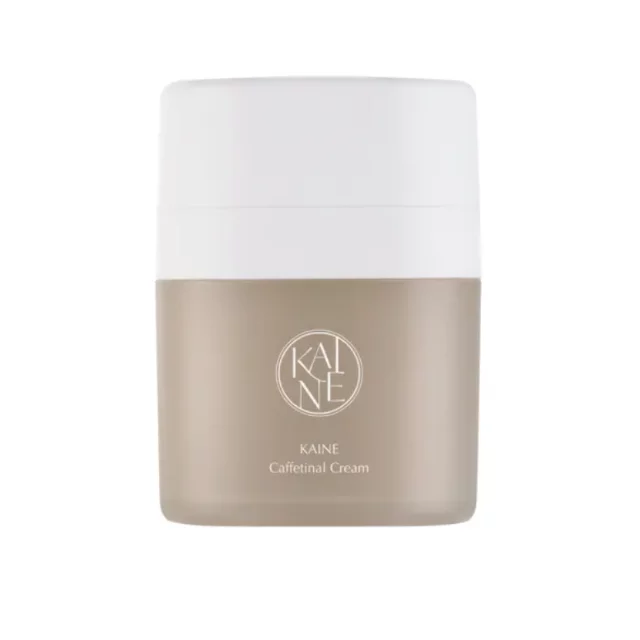
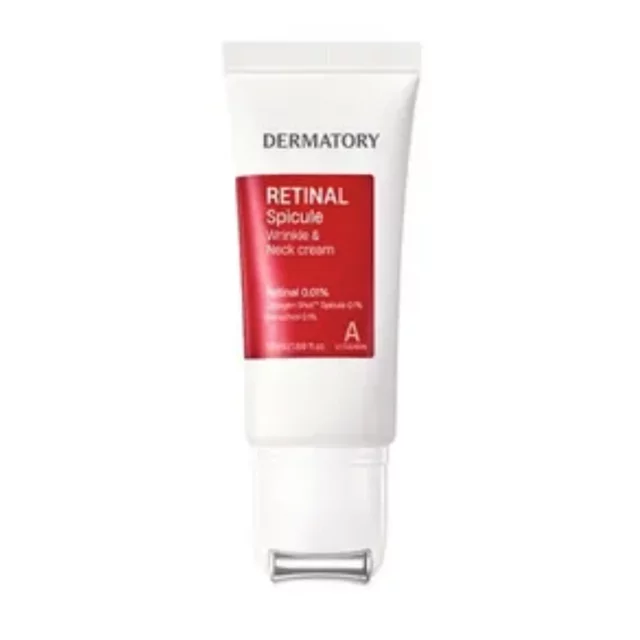
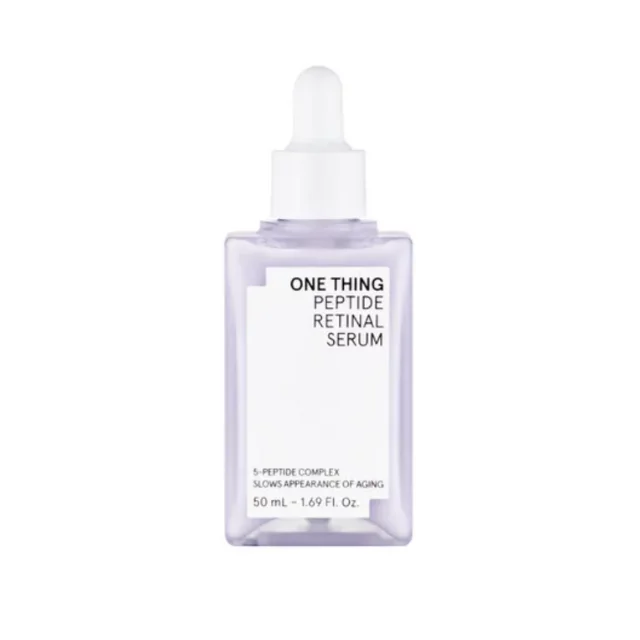
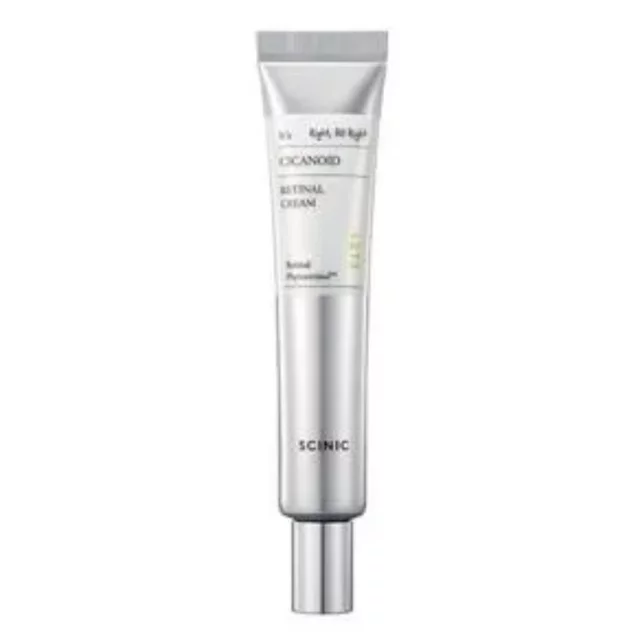
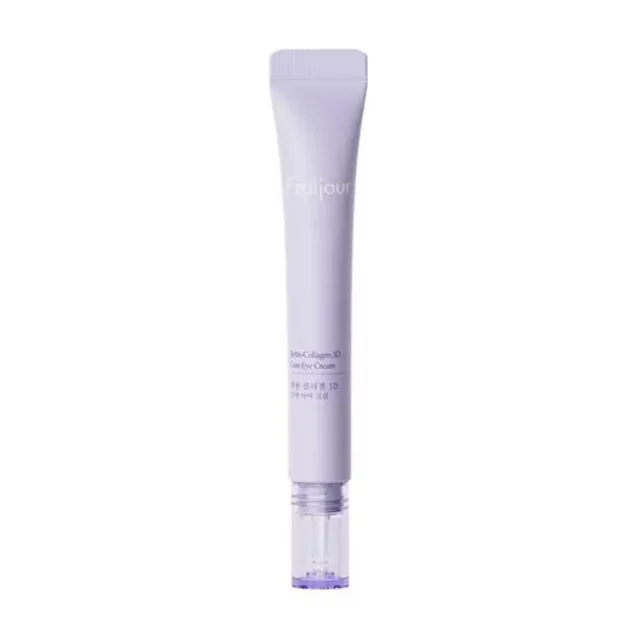
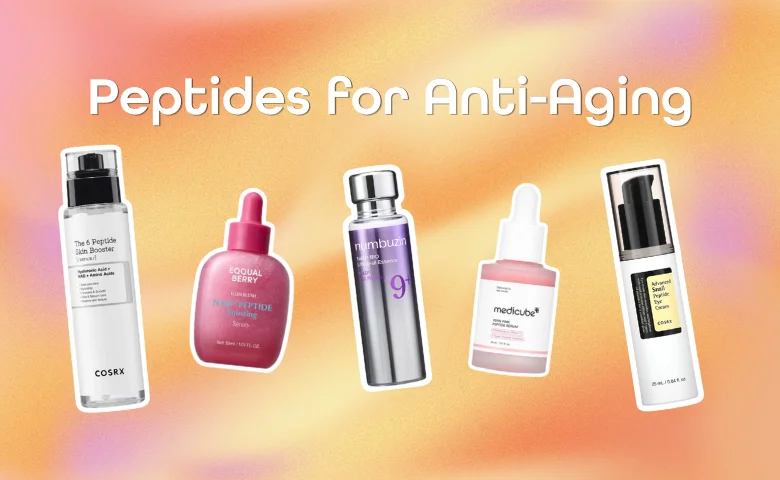
Retinol should sound familiar if you’ve browsed through skin care products on beauty shelves. Hailed as a holy grail ingredient for anti-aging care, retinol is known for its ability to firm, smooth and brighten skin for a more youthful-looking complexion.
Retinal boasts similar skin care functions, and it’s only one letter apart from retinol – so what’s the difference and which is better for skin? Read on for a breakdown of the difference between retinol and retinal, and which products are best for your skin type!
What are Retinol and Retinal?
Retinol and retinal are both active skin care ingredients categorized under the retinoid family, a class of chemicals derived from Vitamin A. As anti-aging and anti-acne superstars, they address skin concerns like hyperpigmentation, enlarged pores, acne breakouts and fine lines and wrinkles. Although the two powerhouse ingredients look and sound incredibly similar, there are differences between them.
The main difference between retinol and retinal lies in potency. While they share the same skin care benefits, retinal is more potent. It works faster in skin, leading to speedier results but a higher potential for skin irritation. Retinol takes longer to see results, but it’s a comparatively gentler option that’s better tolerated by most skin types.
What are the Benefits and Side Effects?
Both retinol and retinal work wonders by accelerating skin cell turnover and collagen production to make way for newer, healthier skin cells. Retinol and retinal are used in all kinds of skin care products such as serums, ampoules, eye creams and face masks to target signs of aging, acne and other skin concerns. Based on the concentration of retinol or retinal in the product, it may take four to six weeks of use to see visible skin improvements. Long-term use may yield more significant results like reduced wrinkles and plumper skin.
Using retinol and retinal isn’t all sunshine and rainbows. Skin purging (often dubbed the “retinol purge”) is a possible side effect for first-time retinol or retinal users. While accelerating skin cell turnover renews skin, it may also lead to uncomfortable skin reactions that last from two weeks to a few months as your skin adjusts to the process. Common symptoms include whiteheads, blackheads, papules, cysts, dryness and flaking. The skin-shedding process also increases skin’s sensitivity to the sun, making it more prone to redness and irritation, so make sure to wear sunscreen!
Retinol or Retinal: Which is Best for Me?
Before deciding between retinol and retinal, ask yourself: Is this your first time using retinoids? Besides retinol and retinal, other forms of retinoid that may appear in skin care products include retinoic acid, tretinoin, tazarotene (tazorac), isotretinoin (accutane) and adapalene.
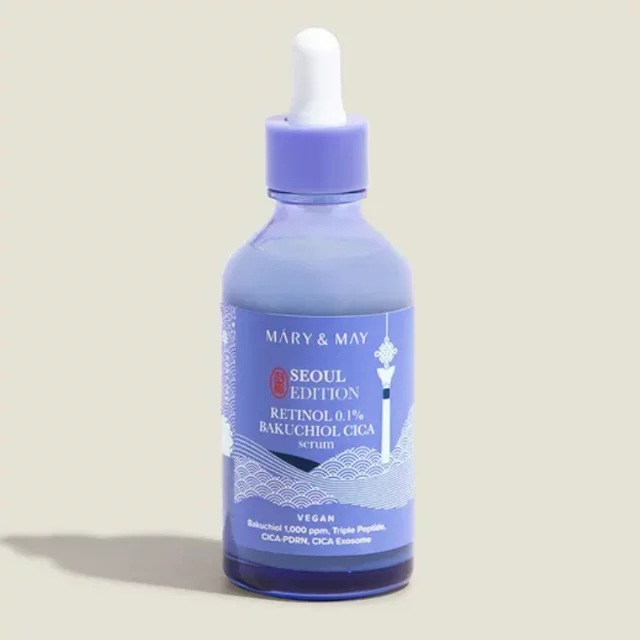
If you have never used products formulated with retinoids, start with a low-strength retinol (usually with 0.1% concentration) and slowly introduce it into your skin care regimen. Allow your skin to build up tolerance by using retinol once per week. Gradually increase frequency once your skin becomes accustomed to the ingredient to reduce chances of irritation, and then consider increasing the product strength if needed.
Note: It’s recommended to not use retinol or retinal skin care products while pregnant or breastfeeding. Instead, opt for other ingredients such as bakuchiol, a gentle vegan alternative to retinoids.
Retinol Products for First-Time Retinoid Users
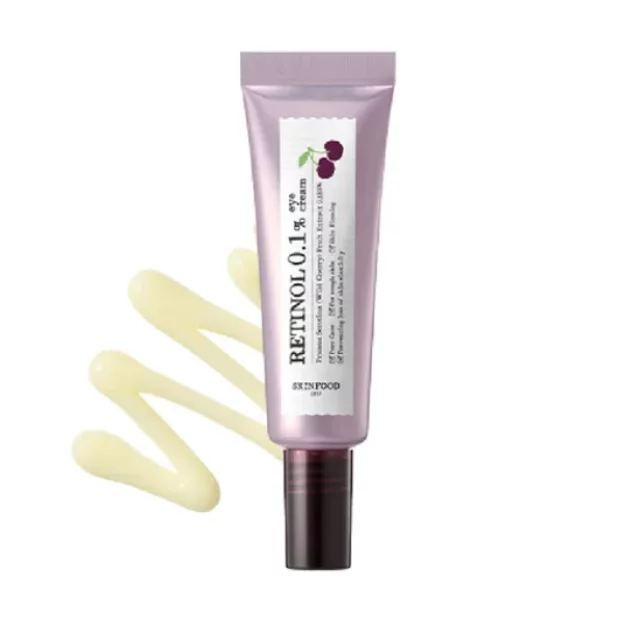
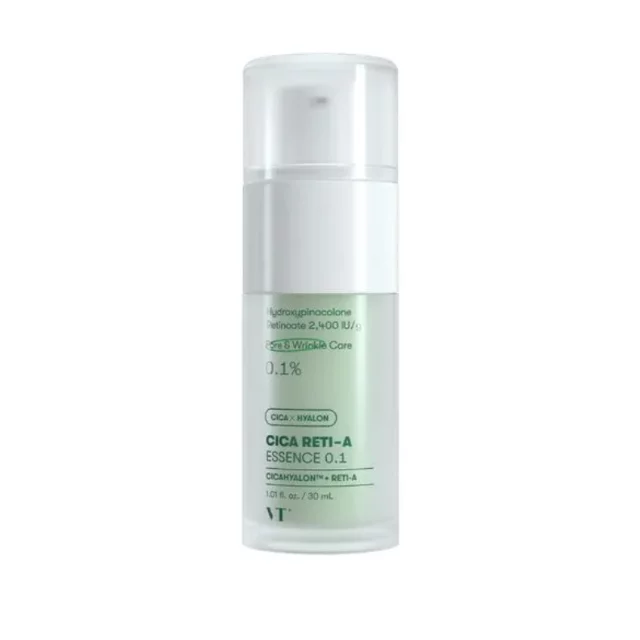
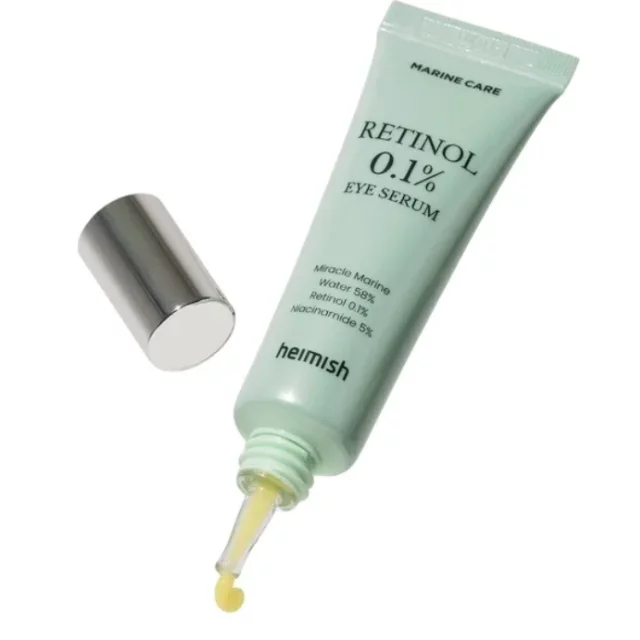
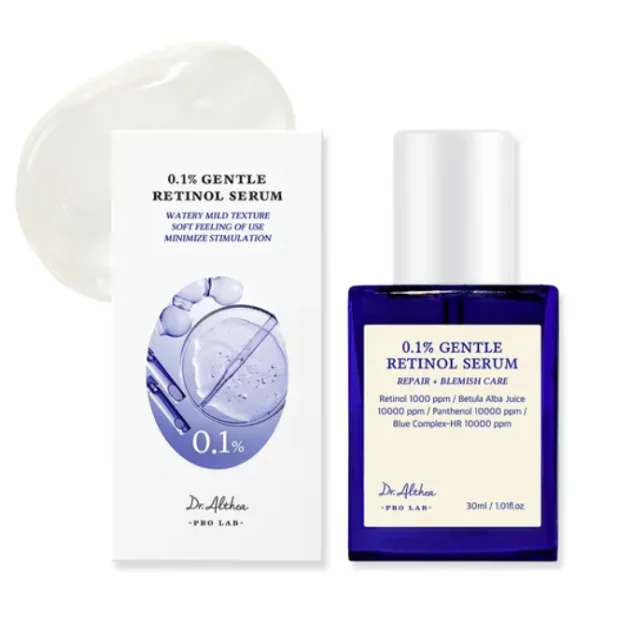
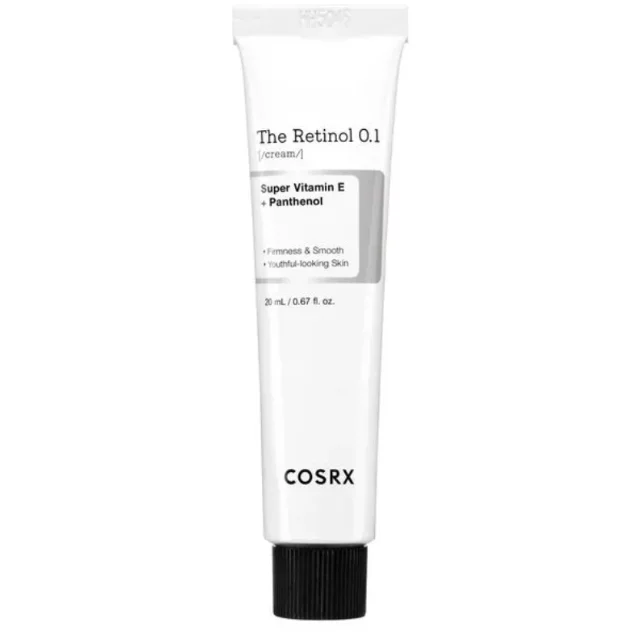
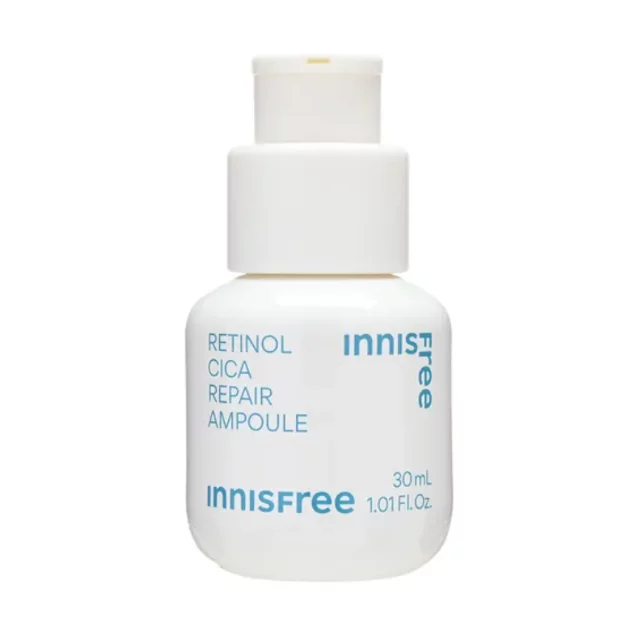
Already accustomed to retinoids? Here are some higher-concentration retinol and retinal picks that suit your skin type and concerns!
Oily Skin
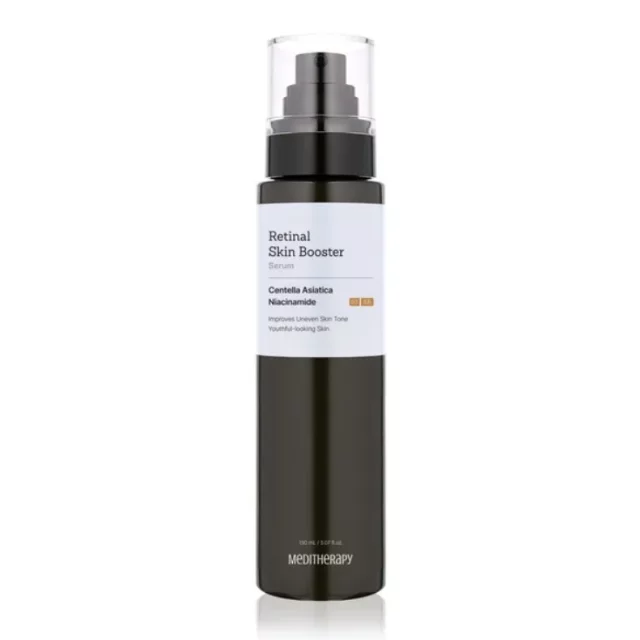
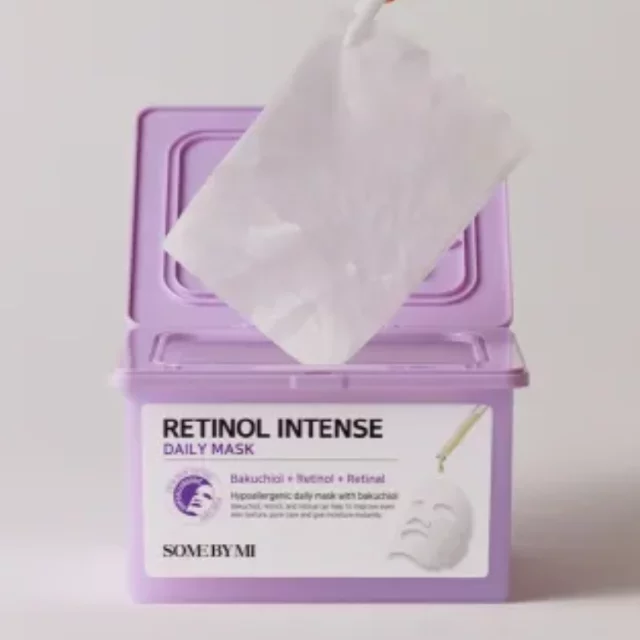
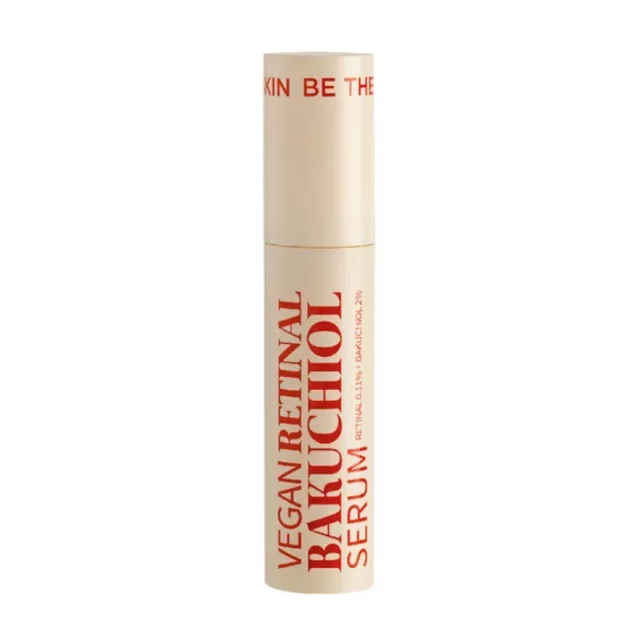
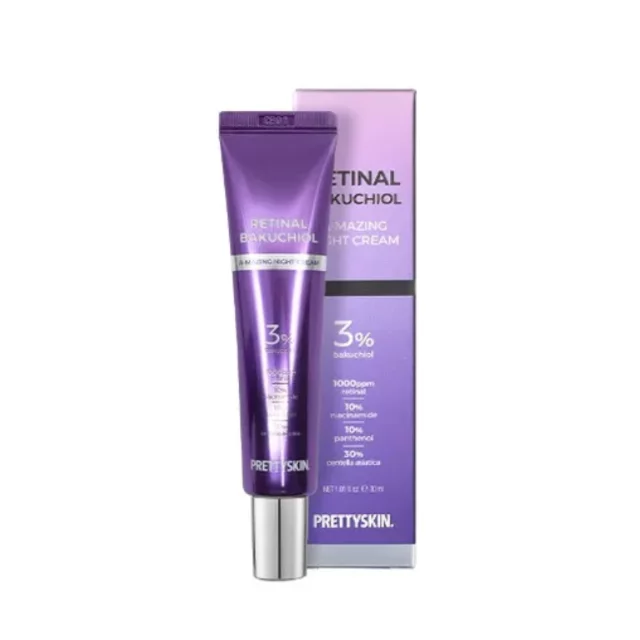
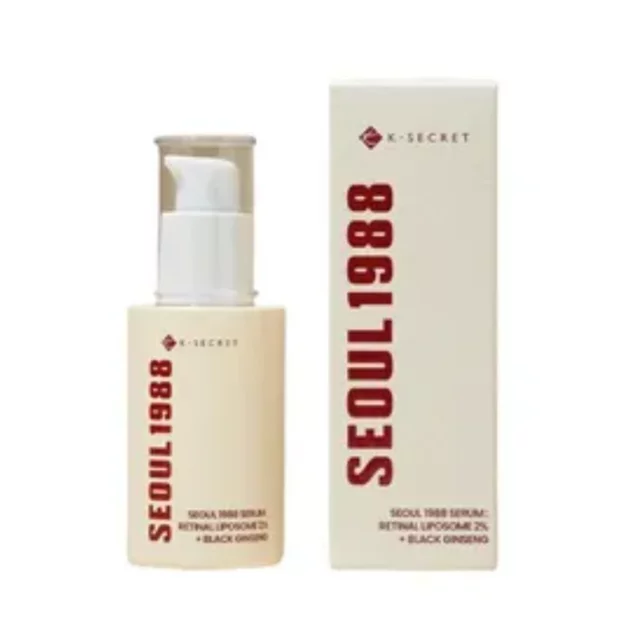
Make retinal your bestie if you suffer from excess sebum, clogged pores and uneven skin texture. Made to keep greasy glow in check, retinal products help regulate sebum production, minimize pore size and fade deeper fine lines. Those with high retinoid tolerance should opt for high-strength formulas that feature retinal and other sebum-controlling ingredients, such as retinol and bakuchiol, to achieve faster results.
Retinal Products for Oily Skin
Combination Skin
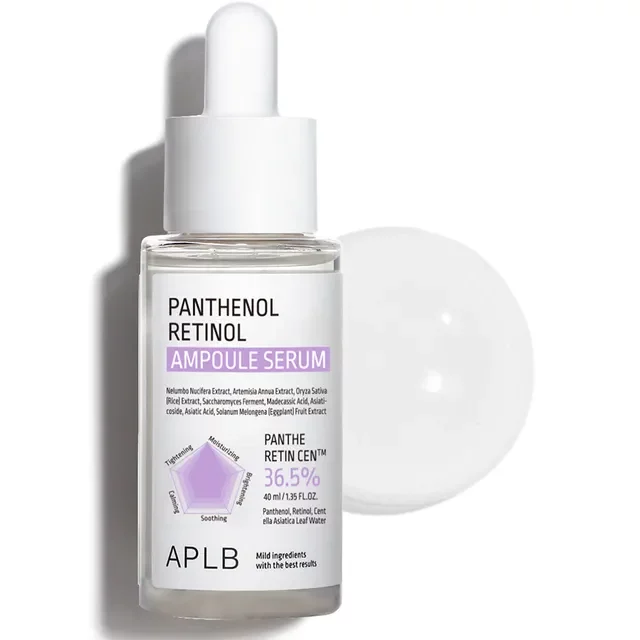
If you have combination skin, look for retinol formulas that feature moisturizing ingredients, such as hyaluronic acid and ceramides, to hydrate dry skin and alleviate oiliness at the T-zone. Ingredients like panthenol and green tea extract provide additional soothing benefits.
Retinol Products for Combination Skin
![blinc - [Kinder Beauty] The Bounce Back Retinol Treatment](https://www.yesstyle.com/blog/wp-content/uploads/2025/06/14-2.webp)
Dry Skin
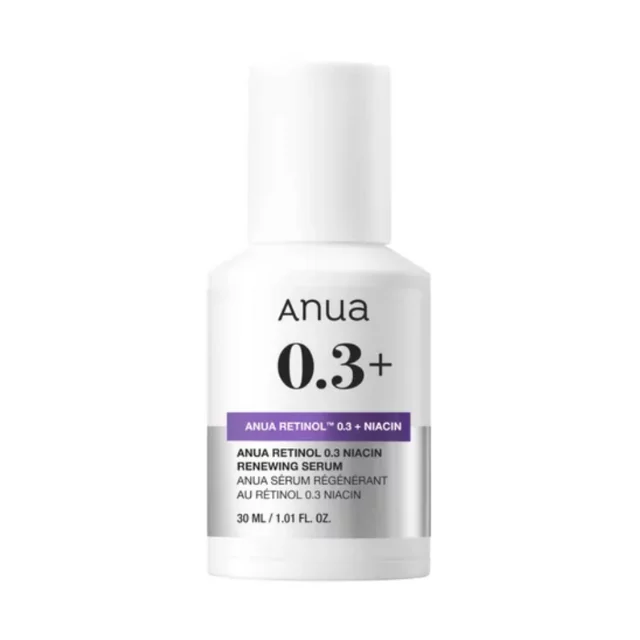
Since retinal makes skin more prone to dryness, folks with dry skin should seek out retinol products that provide nourishment and anti-aging care. Avoid high-strength retinol and say yes to moisturizing and barrier-strengthening ingredients.
Retinol Products for Dry Skin
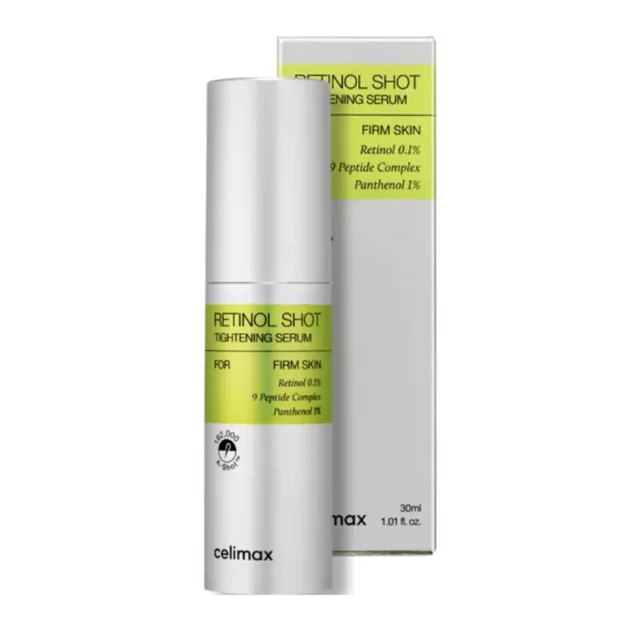
Sensitive / Acne-Prone Skin
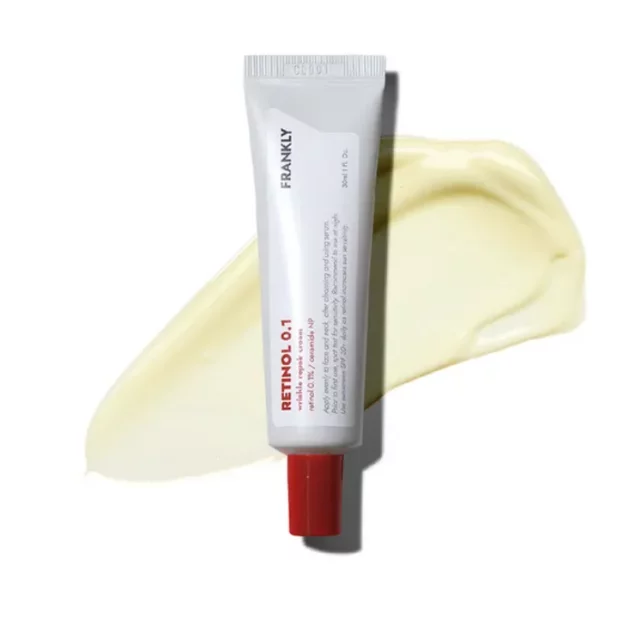
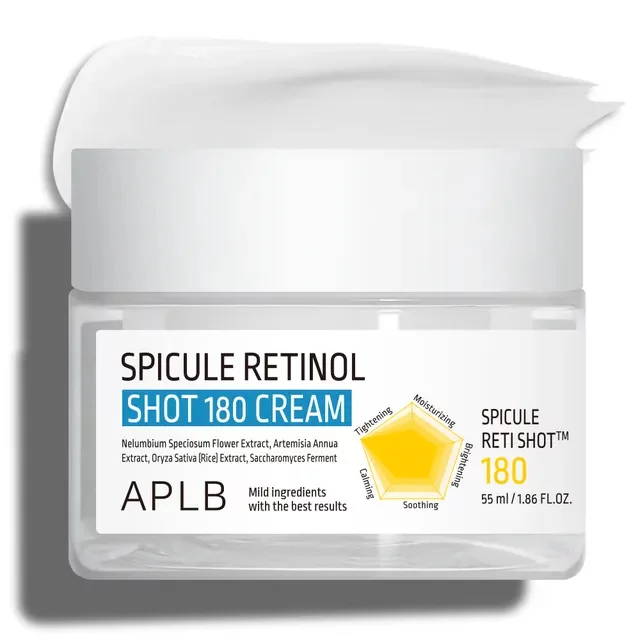
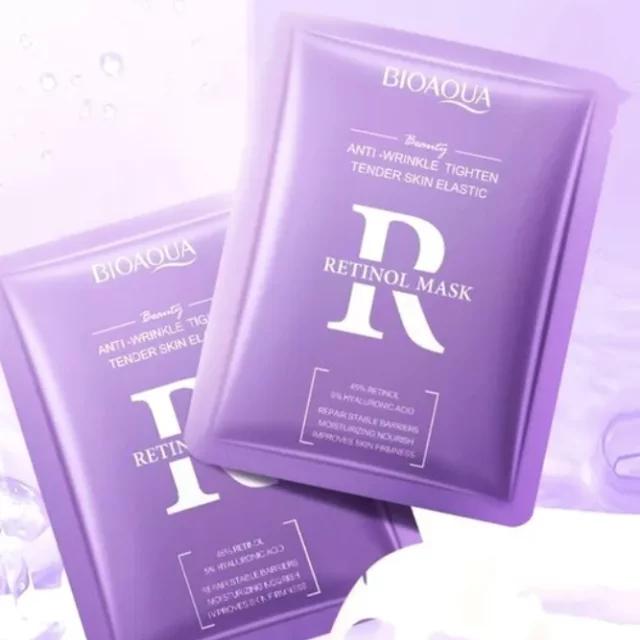
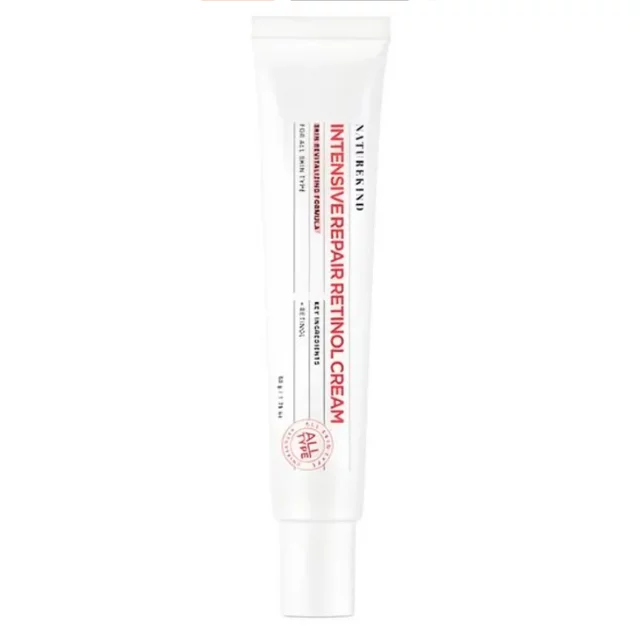
Like first-time retinoid users, those with sensitive skin should go for low-concentration retinol paired with soothing ingredients. Counteract skin irritation with lightweight, non-greasy formulations packed with anti-inflammatory ingredients to calm skin and even skin tone. Also, check if the product is free of fragrance and parabens to avoid further irritation.
Retinol Products for Sensitive / Acne-Prone Skin
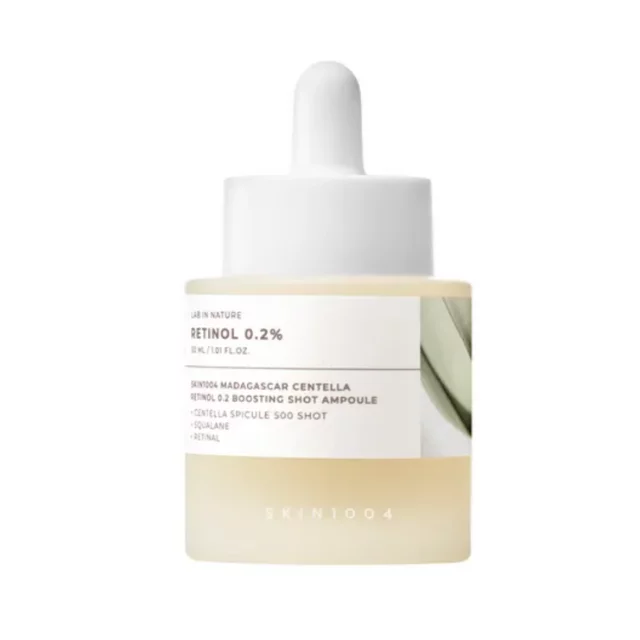
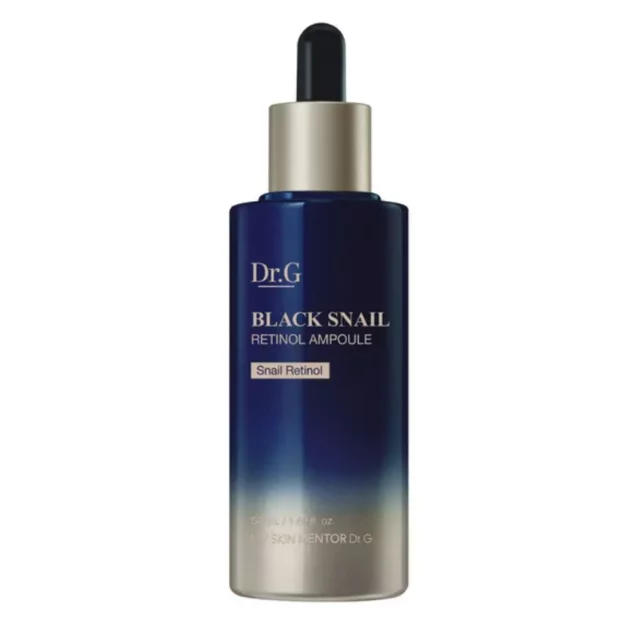
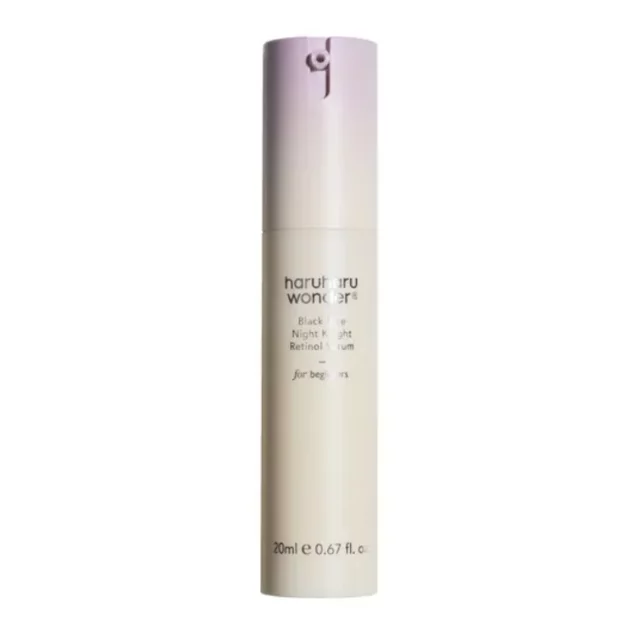
Mature Skin
For individuals with aging skin who seek faster results, reach for efficacious retinal in higher concentrations to prevent signs of aging. Look for products that balance the retinal with calming ingredients like peptides, allantoin, centella asiatica extract and turmeric root extract.
Retinal Products for Mature Skin