After a busy and tiring day, I love indulging in activities that bring me relaxation and help me let go of worries and problems in my everyday life. Everyone’s self-care routine looks different − some go to the gym, binge watch their favorite series, grab dinner with friends or book a spa appointment.
As much as I love a good old facial treatment at a spa, it can be pricey sometimes. If you also like going extra with your pampering routine while staying on a budget, I have great news for you! Beauty creators and influencers such as Lily (@_lilyis) have recently shared a gatekept skin care product widely used by estheticians all over the world and especially in Korea: modeling masks.
What’s great is that you can get Korean modeling masks at YesStyle for a fraction of the price of a spa visit. Modeling masks are fun and easy to incorporate into your at-home spa routine! Scroll to find out more.
What are Modeling Masks?
Before I explain the main function and benefits of modeling masks, let’s have a quick skin care crash course on the ingredients they usually contain, shall we?
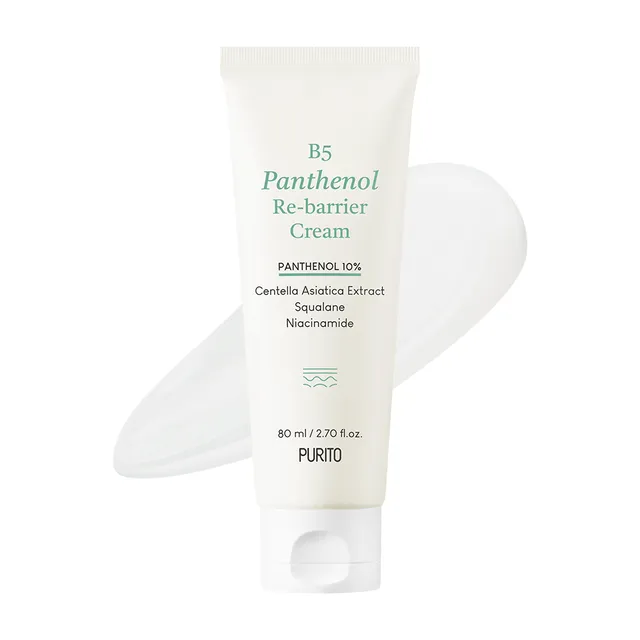
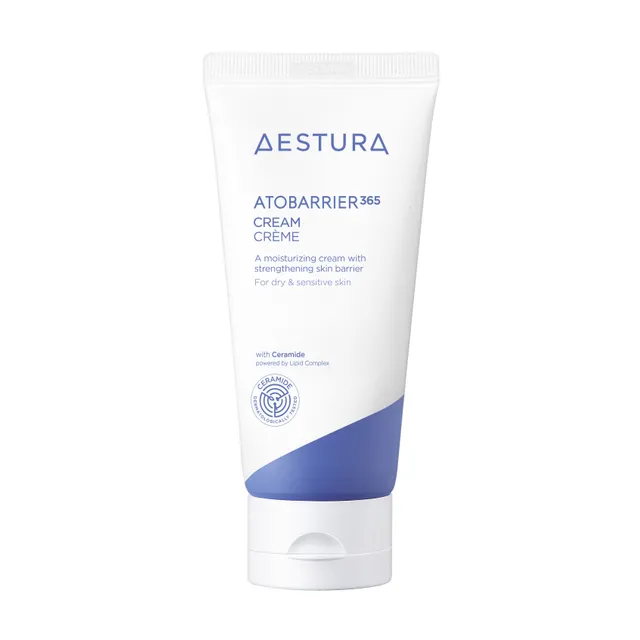
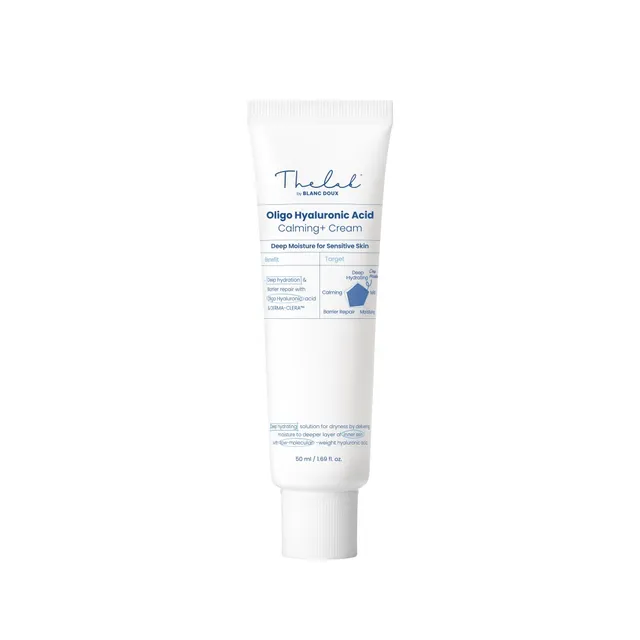
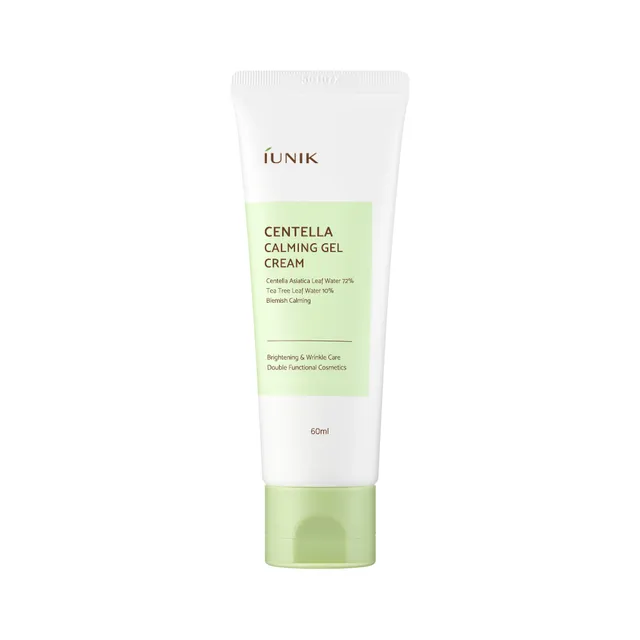
There are three types of moisturizers: humectants, emollients and occlusives. Humectants pull water from the air to attract moisture onto the outer layers of skin. Emollients soothe, soften and smooth skin, while occlusives seal in moisture by forming a protective barrier over skin. Ideally, you want to follow the lightest to heaviest rule when applying skin care products (e.g. toner – essence – serum – moisturizer). The same rule applies if you wish to use two or more types of moisturizers. For example, you can hydrate your skin with a hyaluronic-acid skin care product and then slug your face with petroleum jelly.
| Types of Moisturizers | Humectants (Lightest) | Emollients (In the Middle) | Occlusives (Heaviest) |
| Common ingredients | Hyaluronic acid, aloe vera, glycerin and panthenol | Ceramides, squalane and plant-based oils | Petroleum jelly, shea butter, lanolin and cocoa butter |
| Form | Toners, serums and lotions | Lotions, creams, face oils and ointments | Ointment, balms and rich creams |
| Skin type suitability | All skin types, especially oily and combination skin | Sensitive and acne-prone skin | Dry skin |
Based on these three categories, modeling masks generally fall under occlusives. Modeling masks, also known as rubber masks, come in powder form and transform into a thick, gum-like substance once mixed with water. The mixture forms an occlusive barrier or protective layer on top of skin to seal in moisture, strengthen the skin barrier and enhance the absorption of active ingredients.
What are Modeling Masks Made of?
Modeling masks are composed of two main ingredients: algin and diatomaceous earth (DE). Algin (sodium alginate), derived from brown algae or seaweed, is a great thickening agent that gives modeling masks that thick, gum-like consistency. Algin is packed with hydrating and soothing properties that keep skin fresh and supple.
Diatomaceous earth is derived from fossilized algae and contains up to 80-90% silica. The mineral-rich ingredient has numerous benefits for skin. It ramps up collagen production and improves skin elasticity. It also offers exfoliating effects, making it ideal for removing dead skin cells and absorbing excess sebum.
Beauty brands often add other active ingredients into the mix for different effects targeting various skin concerns.
What Are the Benefits of Using Modeling Masks?
- Cools down skin
- Enhances absorption of active ingredients
- Deeply moisturizes skin
- Improves skin radiance
- Minimizes the appearance of pores
- Boosts skin elasticity
- Smooths wrinkles and fine lines
Modeling masks are great to use during summertime as they effectively soothe and cool skin. Due to the nature of the product, a modeling mask adapts to your facial contours and provides a tightening effect once the thick, gooey formula solidifies on your skin.
Aside from algin and diatomaceous earth, modeling masks are enriched with other skin care ingredients that address various skin concerns. VT’s Reedle Shot EX Vitamin Modeling Pack is formulated with Cica Reedle™, Vitamin C and centella asiatica extract, which promote brighter skin and tamp down irritation. If you want to tighten pores and remove dead skin cells, opt for Anskin’s’s Original Charcoal Modeling Mask infused with charcoal powder and licorice root extract, which help remove blackheads and clarify pores for smoother and radiant-looking skin.
Which Skin Type Can Use Modeling Masks?
There are many types of modeling masks in the market that suit different skin types. As a rule of thumb, always check the product ingredients and functions to determine whether a product is suitable for your skin type and concerns. For example, those with dry or eczema-prone skin should avoid modeling masks containing clay ingredients such as kaolin that can dry out skin even more. Instead, look for more moisturizing and soothing options such as Dr. Althea’s Premium Cica Modeling Mask Set.
How Do I Use Modeling Masks?
Modeling masks are available in single use (30g or less) or large pack (more than 30g) versions. As the size and ingredient mixture vary for different modeling masks, make sure to read the product instructions before use. If you’re using a single-use product, generally you add around 7-8 tablespoons of purified water in with the powder and mix well until there are no visible lumps. If you’re using a large pack version, such products generally follow a 1:1 powder-to-water ratio. It’s best to follow each modeling mask’s instructions and measurements, or else you might end up with a runny consistency that won’t adhere well to skin.
Korean brands like LINDSAY and MEDI-PEEL are known for producing some of the best modeling masks. LINDSAY’s Modeling Mask Cup recently won in two categories in the Hwahae Beauty Awards Mid-Year 2024. The Modeling Mask Cup comes with a measuring spoon that doubles as a spatula for easy and convenient use. Simply use the spoon to measure and add water, and use the handle as a spatula to mix the powder with water.
As soon as you finish mixing the modeling mask powder with water, apply the mixture on the face as fast as you can since the thick, gooey formula hardens easily. Leave it on for 15-20 minutes and then peel it off once the time is up. There’s no rinsing required after peeling off the mask; simply wipe off the remaining residue with a toner pad. If preferred, follow with a moisturizer to lock in hydration. Feel free to use a modeling mask one to two times a week after cleansing and toning your face.
Useful Tips and Tricks When Using Modeling Masks
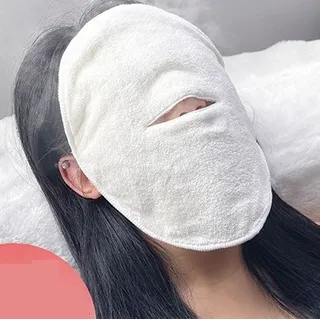
- After cleansing, steam your face by using a facial mask towel or an electric facial steamer for up to ten minutes to loosen up sebum and other skin impurities. This step will also make your skin more receptive to absorbing the following skin care products you apply on your face.
- Use a silicone bowl and silicone face mask applicator for easier application and faster clean-up.
- You may apply your toner, essence and serum of choice before applying the modeling mask to achieve better results.
- You can also apply the modeling mask on your neck to tighten skin and reduce neck lines.
- After application of modeling mask, if possible lie down horizontally on your bed or tilt your head back when seated on a chair so your face is in a horizonal position. Doing so prevents the liquid mixture from dripping onto your clothes.
- Apply a thicker layer of the modeling mask on your chin to make the removal process easier.
- When removing the modeling mask, start from the chin and work your way upwards.
Korean modeling masks are super fun and easy to use with the right tips and tricks! Check out my Beauty Lab post where I, along with YesStylist editor Kristie and intern Audrey, try LINDSAY’s modeling mask cup packs for the first time!
Modeling Masks and Essentials Available at YesStyle
Single-use versions (25-30g per pack)
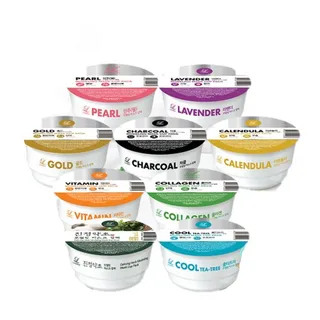
LINDSAY − Modeling Mask Cup Pack


Bulk-size versions(200g and above per pack)


Other Skin Care Tools and Devices to Use


Hydrating Moisturizers