For many people, the summer months mean fun in the sun, sand and sea. And we all know that beach days are often opportunities to break out your favorite bikinis. Bikini days, however, may leave some of us feeling self-conscious about our skin. After all, some skin conditions produce visible marks, skin textures or bumps that we may not wish to reveal to the world.
Keratosis pilaris (KP) −also known as “chicken skin” or “strawberry skin” − is one of the most common skin conditions. Read on for a deep dive into what causes keratosis pilaris and ways to treat it.
What is keratosis pilaris and what causes it?
Keratosis pilaris is a common skin condition that causes small, dry and rough bumps or patches on skin. The bumps are usually red or flesh-colored and typically occur on the upper arms, thighs and buttocks, but they can also appear on the face. The small bumps form on the skin’s surface when keratin − a protein that helps form hair, nails and the outer layer of skin − builds up and plugs hair follicles. In many cases, keratosis pilaris occurs alongside other skin conditions like eczema.
Though keratosis pilaris is harmless, non-contagious and mostly genetic, some people find their appearance on the body troubling. If you have keratosis pilaris, there are some remedies that help lessen the appearance of bumpy skin.
How to combat keratosis pilaris
Keep skin hydrated
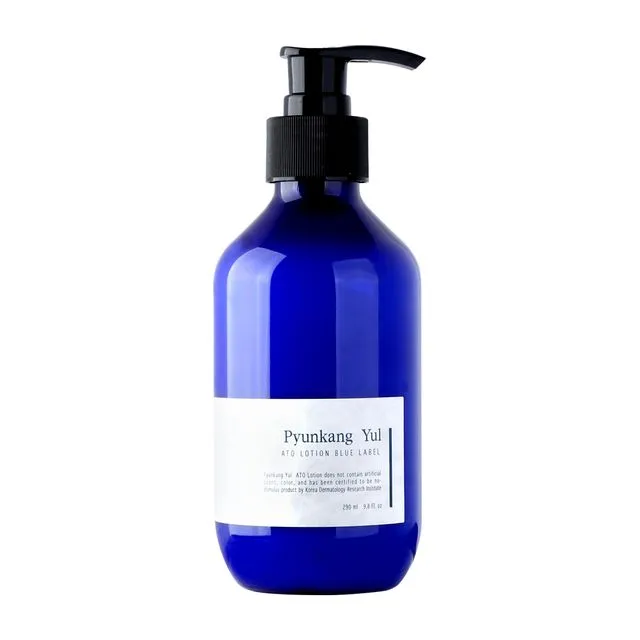
Keeping skin hydrated helps soften and reduce the appearance of the bumps caused by keratosis pilaris. Moisturizing regularly also helps prevent dry skin, which is often associated with keratosis pilaris flare-ups.
It’s recommended to moisturize immediately after showering while skin is still damp to lock in the moisture on the skin’s surface. Choose a moisturizing yet non-comedogenic body lotion or cream to effectively replenish skin’s moisture levels without clogging pores.
Avoid taking long, hot showers or baths, as they can strip skin of its natural oils and worsen the appearance of skin bumps and roughness.


Exfoliation is key
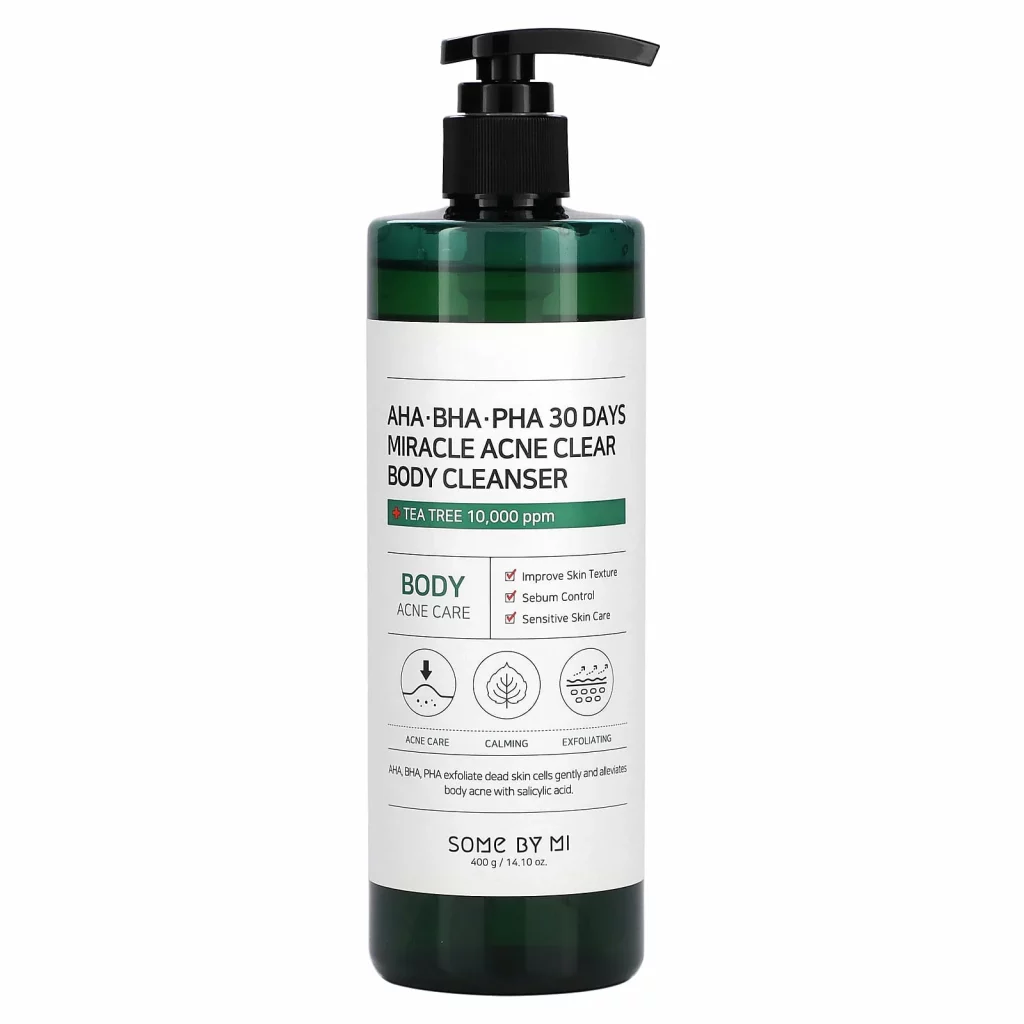
When treating keratosis pilaris, exfoliating is beneficial because it can slough away the buildup of keratin and remove dead skin cells that contribute to the appearance of chicken skin. Whether you use a physical or chemical exfoliator, it’s important to choose a gentle product to avoid further irritating skin and exacerbating symptoms.
For chemical exfoliation, beta hydroxy acids such as salicylic acid and alpha hydroxy acids such as glycolic acid and lactic acid are ideal choices. Look for these ingredients in body wash or skin care products to polish away dead skin cells and dissolve excess keratin buildup.
If you prefer physical exfoliation, go for in-shower body scrubs and exfoliating tools such as loofahs and washcloths.


Consider a humidifier
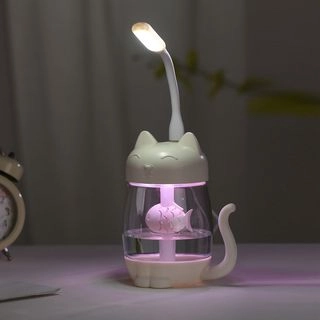
When you live in a dry climate, the dry air may contribute to dry skin, making the bumps and redness caused by keratosis pilaris more noticeable. A humidifier adds moisture to the air, which can help skin retain moisture and prevent water loss. To treat your skin to instant hydration and alleviate keratosis pilaris symptoms, consider using a humidifier to increase the moisture level in the air.